Resolve Your Issues: Discovering Different Types of Drain Cleaning Services
Stopped-up drains can be a considerable hassle for homeowners. Understanding the origins and workable fixes is essential. While some might attempt DIY methods, these often prove inadequate. Professional drain cleaning services deliver a selection of options designed for specific issues. However, not all services are equal, and understanding which one to choose can be difficult. Examining these various methods may bring about a more effective resolution for persistent drainage problems. What options are available, and how do they compare?
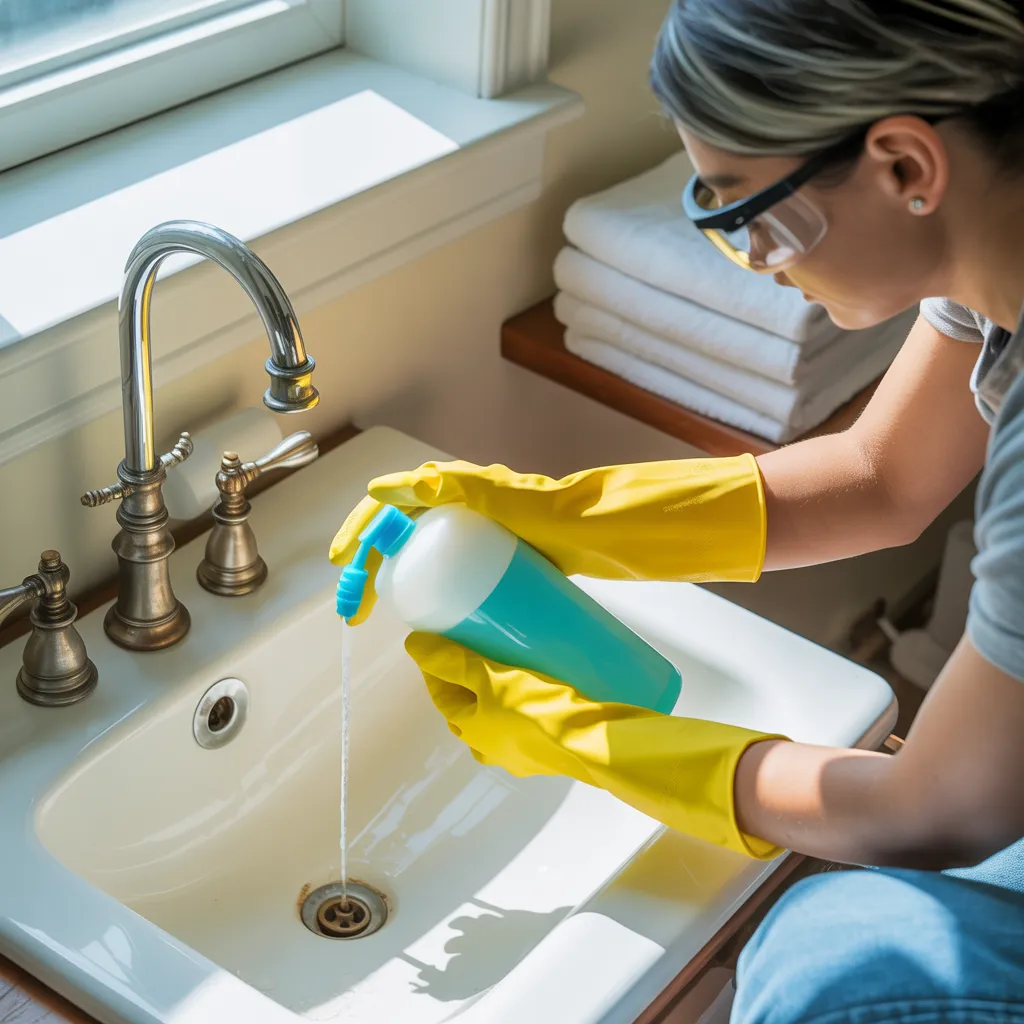
What Triggers Drain Blockages and How to Address Them?
Obstructed drains may disturb regular household functions and cause significant repair costs without timely intervention. Several causes lead to this frequent concern. Accumulation of hair, soap residue, food particles, and grease often creates blockages in kitchen and bathroom sinks. Additionally, foreign objects, such as toys or toiletries, can exacerbate the problem, especially in household drains. Plant roots invading subterranean conduits can likewise result in considerable clogging.
To address clogged drains, homeowners should first identify the root cause. Basic tools like plungers or drain snakes may suffice for simple clogs. Nevertheless, persistent problems may need professional intervention. Drain cleaning services use advanced techniques, such as hydro-jetting and camera inspections, to effectively clear blockages and assess the condition of pipes. Regular maintenance, including regular inspections and proper disposal practices, is essential in preventing future clogs and ensuring smooth drainage throughout the home.
Proven DIY Techniques for Cleaning Drains
Homeowners can efficiently handle small drain blockages with a few simple DIY techniques. A common technique includes using a blend of baking soda and vinegar. This mixture can assist in breaking down simple clogs by producing a fizzing reaction, which dislodges debris. Put a cup of baking soda followed by a cup of vinegar into the drain, allow it to work for about 30 minutes, and then flush with hot water.
A plunger represents another effective method. By creating a vacuum seal around the drain, plungers can dislodge stubborn blockages. Homeowners should guarantee there's enough water in the sink to cover the plunger's cup for peak effectiveness.
For continued upkeep, a regular monthly treatment of hot water can help eliminate grease buildup. In addition, using a drain snake can extract hair and gunk from the pipe interior. These methods can keep drain lines operating effectively without needing professional intervention.
When Should You Call a Professional If DIY Fails?
If DIY techniques fail to resolve stubborn clogs, this can indicate a deeper plumbing concern that demands professional intervention. Frequent blockages could reveal systemic concerns within the drainage system, while urgent emergencies warrant immediate action to minimize further damage. In these situations, enlisting expert support becomes essential for effective and lasting solutions.
Persistent Clogs Call for Specialist Knowledge
Several persistent clogs can turn into a source of annoyance, especially so when DIY efforts fail to resolve the problem. Homeowners commonly underestimate the complexity of plumbing systems, resulting in poor solutions or even damage. When basic tools and techniques fail to produce results, it is advisable to seek professional help. Experts have specialized equipment and experience to accurately diagnose and address the source of the clog. They can identify concealed issues that may not be visible, such as tree root intrusion or damaged pipes. Additionally, professionals can implement modern techniques like hydro jetting, providing a complete and lasting solution. In the end, calling in an expert can save time, prevent further complications, and restore confidence.
Numerous Clogs Point to Concerns
While a single blockage can often be cleared with basic tools, multiple blockages throughout a property's plumbing system may suggest deeper, systemic issues. When homeowners face multiple clogs, it is vital to recognize that these may indicate problems such as tree root intrusion, pipe corrosion, or a malfunctioning sewer line. Trying to resolve these issues with DIY methods may deliver only temporary relief and could intensify the situation. In such cases, professional drain cleaning services are essential. Experts possess specialized equipment and try now knowledge to diagnose the underlying cause of the blockages and implement effective solutions. Recognizing the limits of DIY efforts is important; timely intervention by professionals can avert further damage and costly repairs down the line.
Urgent Crisis Situations Require Prompt Response
Urgent plumbing emergencies can rapidly escalate, demanding immediate action. When a DIY approach fails, the risks of more destruction or health threats increase. Homeowners may face persistent clogs, backed-up toilets, or ruptured pipes—issues that need professional intervention. Identifying the signs of an emergency is vital; delays can result in substantial damage to your property or costly repairs.
Experts have specialized tools and experience to diagnose and resolve problems in a timely manner. They can also identify underlying issues that may not be obvious to the untrained eye. Finally, knowing when to call a plumber can save money, time, and hassle, ensuring that plumbing emergencies are handled quickly and efficiently. Opting for professional help in urgent situations is essential for maintaining a safe household.
Types of Drain Cleaning Services
When homeowners face persistent clogs or drainage issues, multiple forms of drain cleaning services can effectively address these problems. One common method is snaking, which involves using a flexible auger to break up blockages in pipes. Another advanced technique is hydro jetting that uses high-pressure water streams to eliminate stubborn debris and accumulated grease. For more severe cases, video camera inspections allow professionals to identify the exact location and nature of the clog, guaranteeing targeted solutions. Chemical drain cleaners are sometimes utilized for minor blockages, though they should be used with caution due to potential pipe damage. Moreover, rooter services focus specifically on removing tree roots that infiltrate drainage systems. Each service offers distinct advantages, allowing homeowners to select the most appropriate method based on the severity and nature of their drainage issues. Finally, timely intervention can restore proper functionality and prevent further complications.
Pricing Factors for Drain Cleaning Services
Several factors influence the cost of drain cleaning services, making it important for homeowners to comprehend these variables before seeking assistance. To begin with, the type of blockage plays a considerable role; simpler clogs typically require less time and fewer resources, while serious blockages may demand advanced equipment and techniques, raising costs.
Furthermore, the placement of the clog impacts pricing; drains deep within plumbing systems or in hard-to-reach areas can incur higher costs.
A provider's level of experience and specialized knowledge additionally leads to cost variations, as reputable providers usually charge premium rates due to their established reputation and history.
Finally, location can affect pricing, with cities generally seeing increased costs versus rural settings. Knowing these variables can help homeowners make educated choices when picking drain cleaning services.
Preventative Steps to Maintain Your Drains Free-Flowing
Comprehending the expenses associated with drain cleaning services is useful, but homeowners can also take preventative steps to stop clogs before they become costly issues. Regular maintenance is crucial; routine inspections can pinpoint potential problems early. Homeowners should avoid pouring grease, oil, or food scraps down kitchen sinks, as these substances can solidify and cause blockages. In bathrooms, using drain guards can catch hair and soap residue, substantially reducing buildup.
Furthermore, cleaning drains with hot water weekly can assist in breaking down minor clogs. Homeowners may also consider using natural cleaners, such as baking soda and vinegar, to preserve clear pipes without hazardous chemicals. Seasonal maintenance, including removing debris from outdoor drains, can prevent backups during intense rainfall. By applying these preventive measures, homeowners can make certain their plumbing systems remain working properly, eventually saving time and money on emergency drain cleaning services.
Popular Questions
How Regularly Should My Drains Be Professionally Cleaned?
Professionals suggest having drains professionally cleaned every one or two years, depending on use and possible problems. Regular maintenance helps prevent clogs, maintains efficient drainage, and increases the lifespan of your pipes.
Can Chemical Drain Cleaners Be Safely Used on Every Type of Pipe?
Chemical drain cleaning products aren't suitable for every type of pipe. They can damage older pipes, PVC, or metal systems. Professional consultation is suggested to find the optimal cleaning technique for your unique plumbing situation.
What Indicators Suggest a More Critical Plumbing Problem?
Signs of a more serious plumbing concern include ongoing clogs, slow drains, strange noises originating from pipes, water backups, and visible leaks. These indicators often suggest deeper concerns requiring professional assessment and repair to stop further damage.
Can I Prevent Future Clogs With Regular Maintenance?
Regular servicing can dramatically lower the possibility of future clogs. By arranging routine cleanings and inspections, individuals can pinpoint potential issues early, ensuring smoother drainage and extending the durability of plumbing infrastructure.
Do Drain Cleaning Companies Provide Warranties or Guarantees?
A lot of drain cleaning providers do offer guarantees or warranties, supplying customers with reassurance about the success of their work. These guarantees typically change by provider, so reviewing individual terms is suggested for clear understanding.